Parulidae – New World Warblers
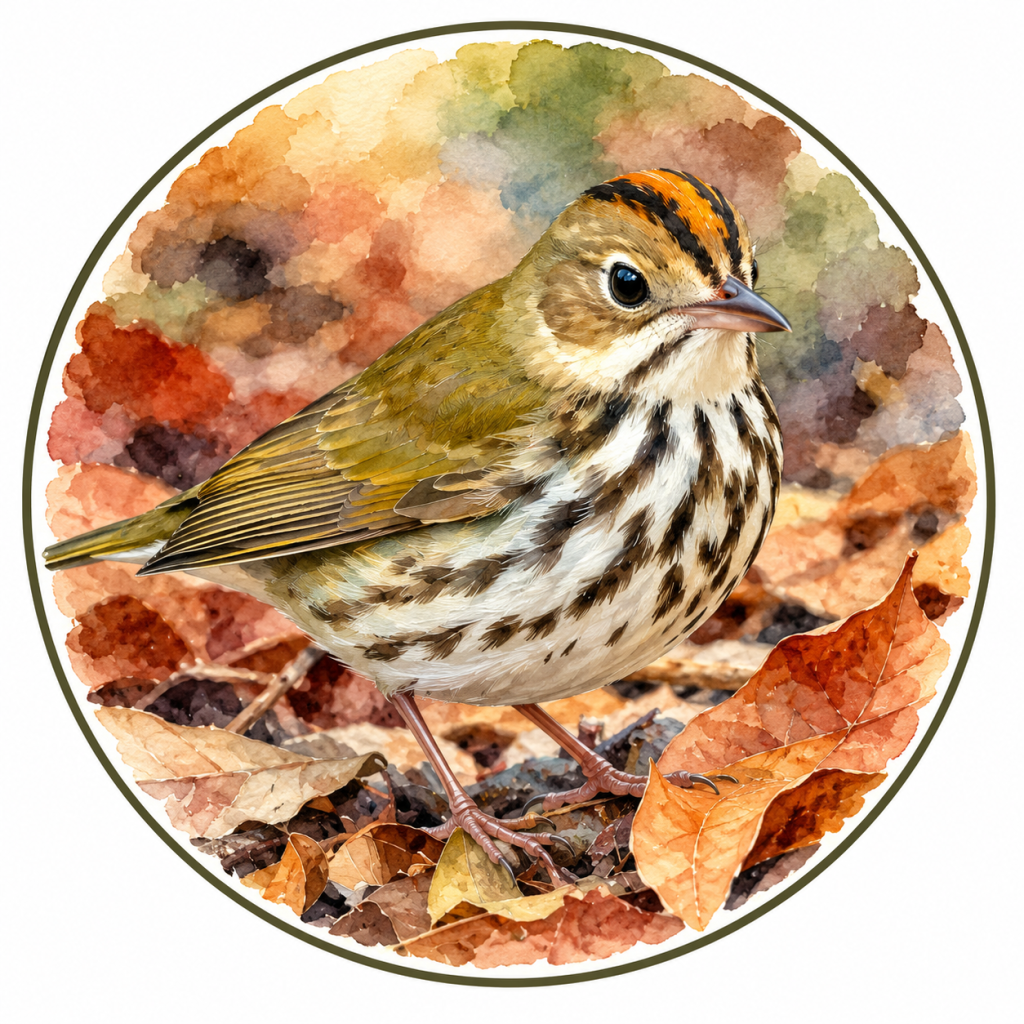
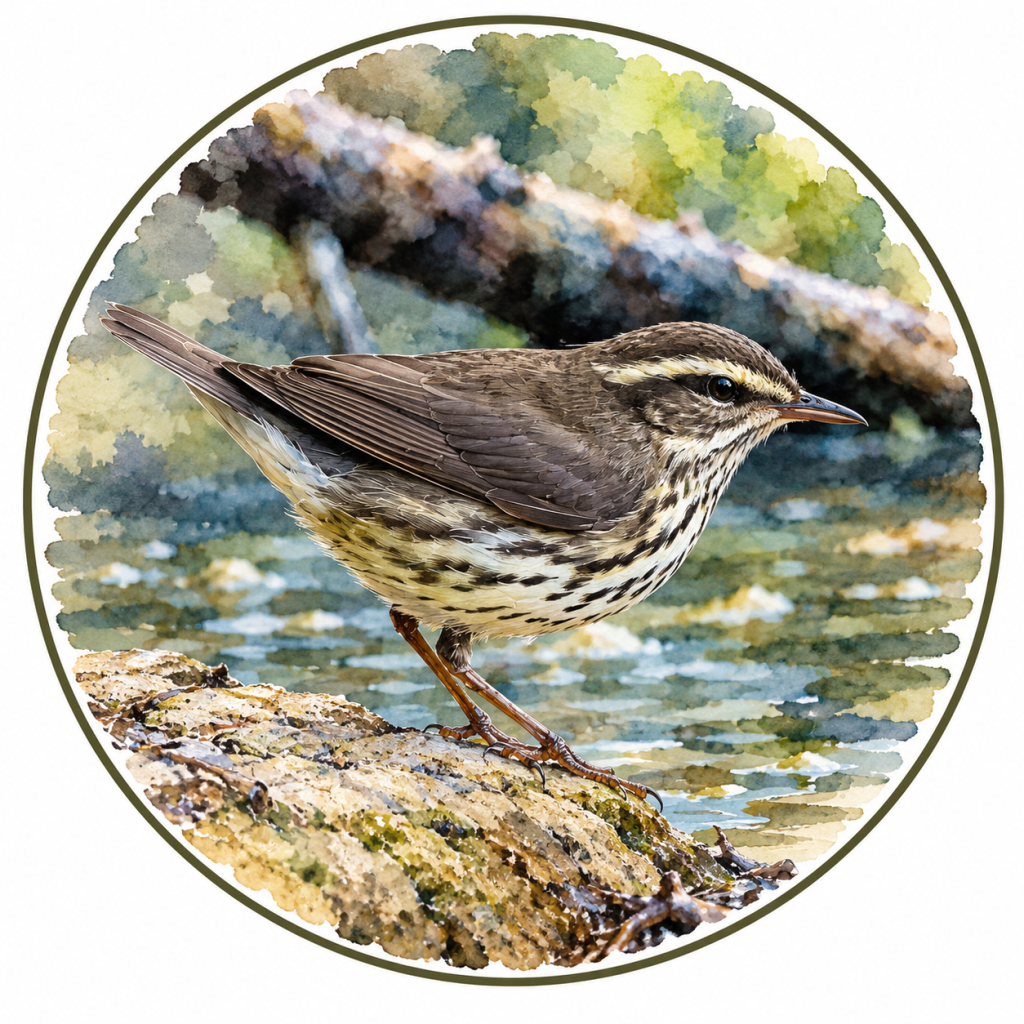
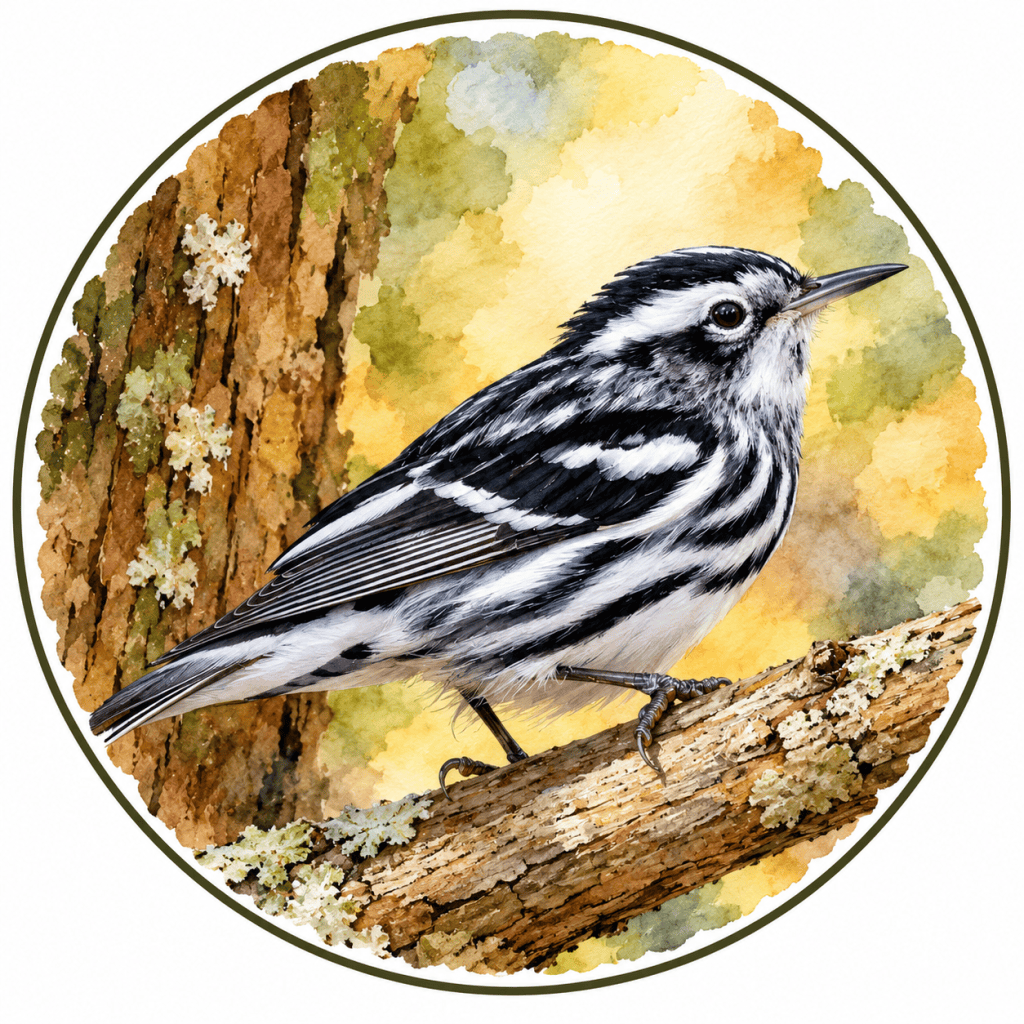
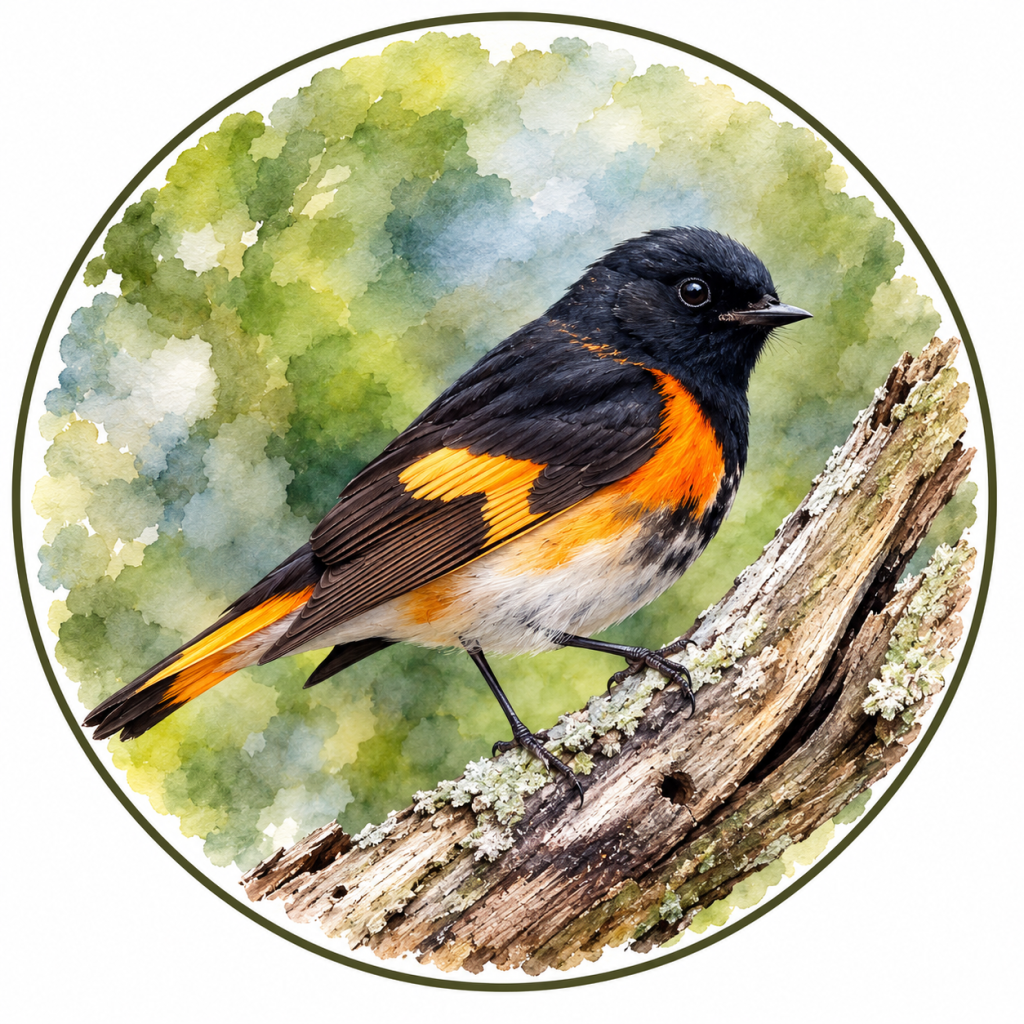
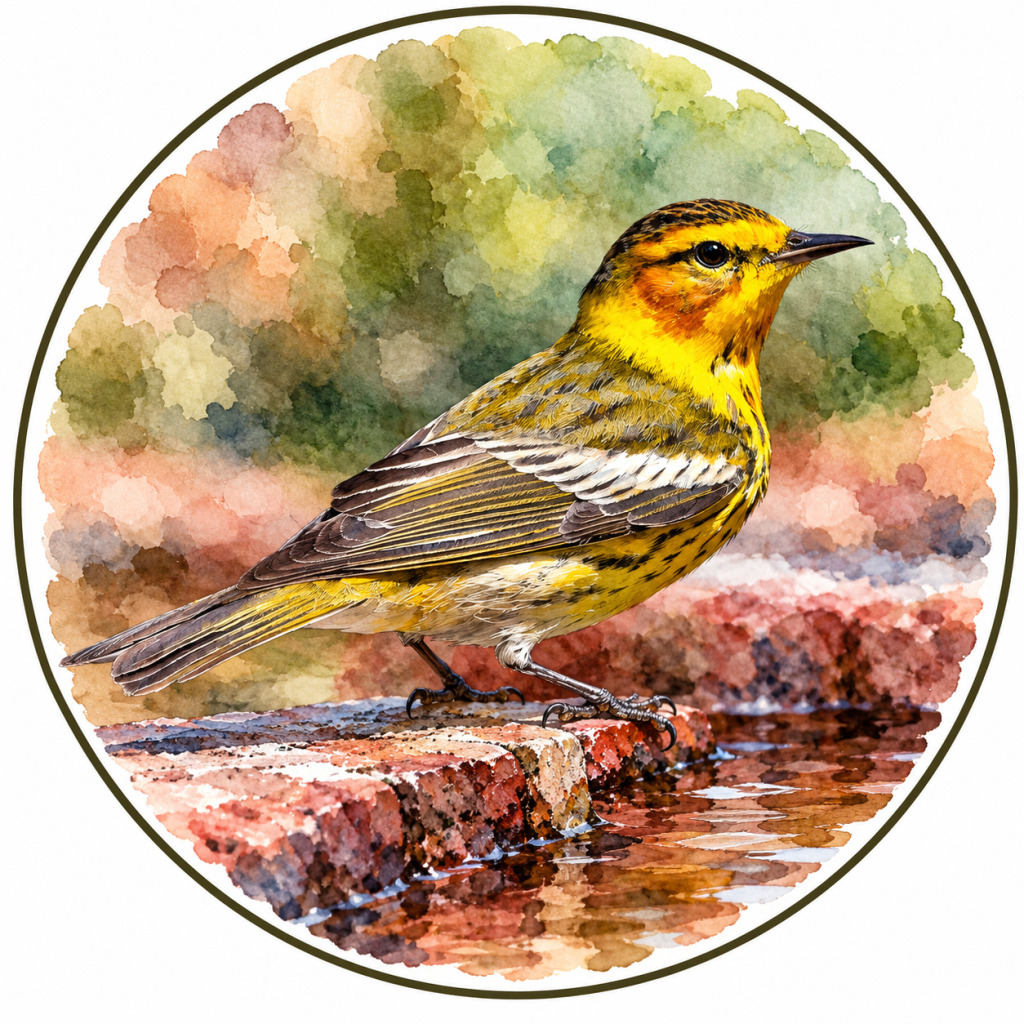
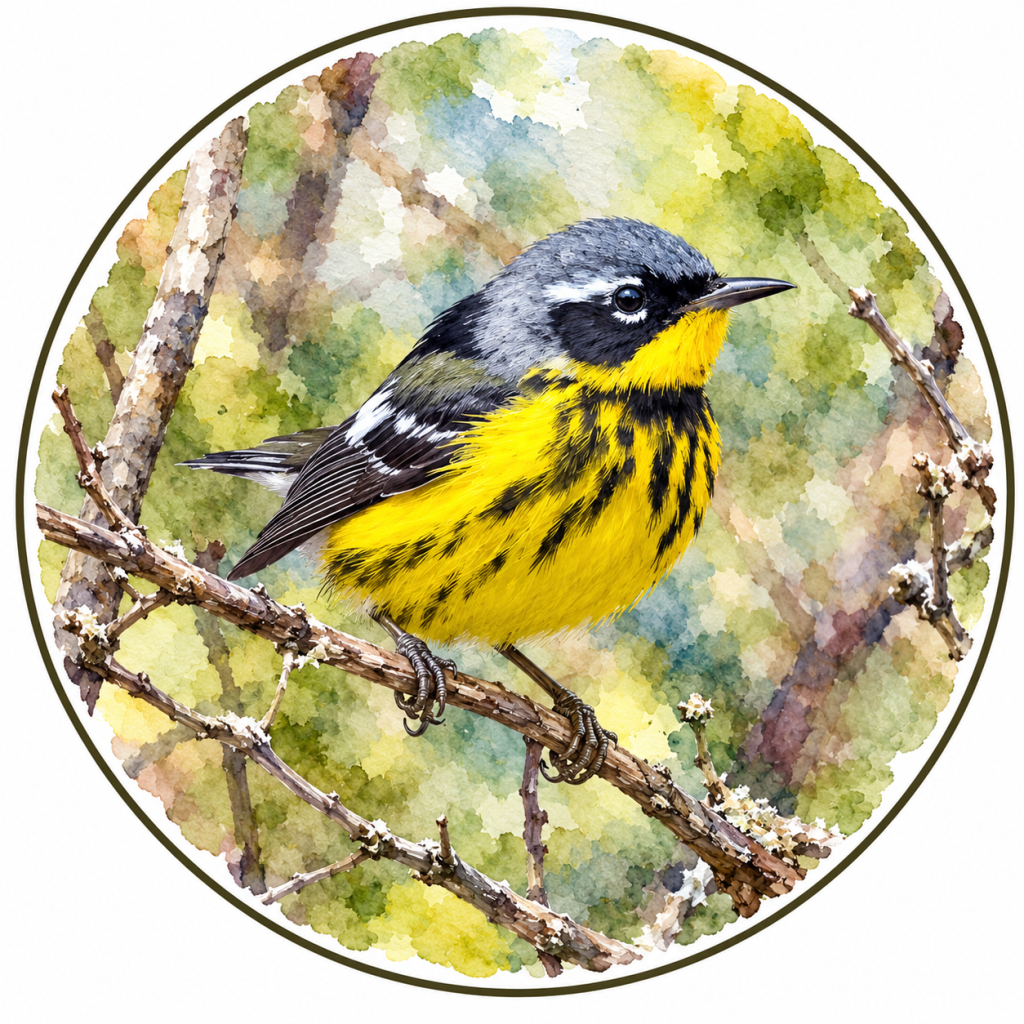
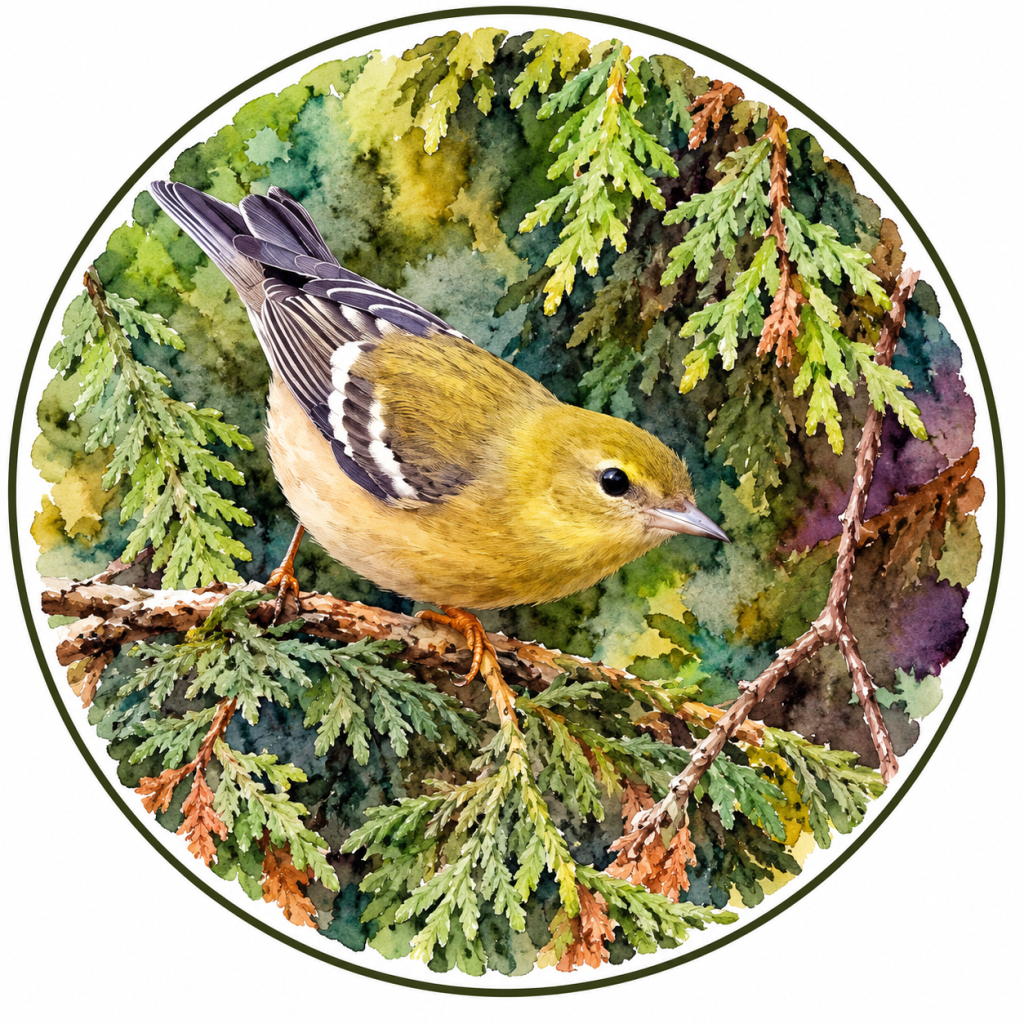
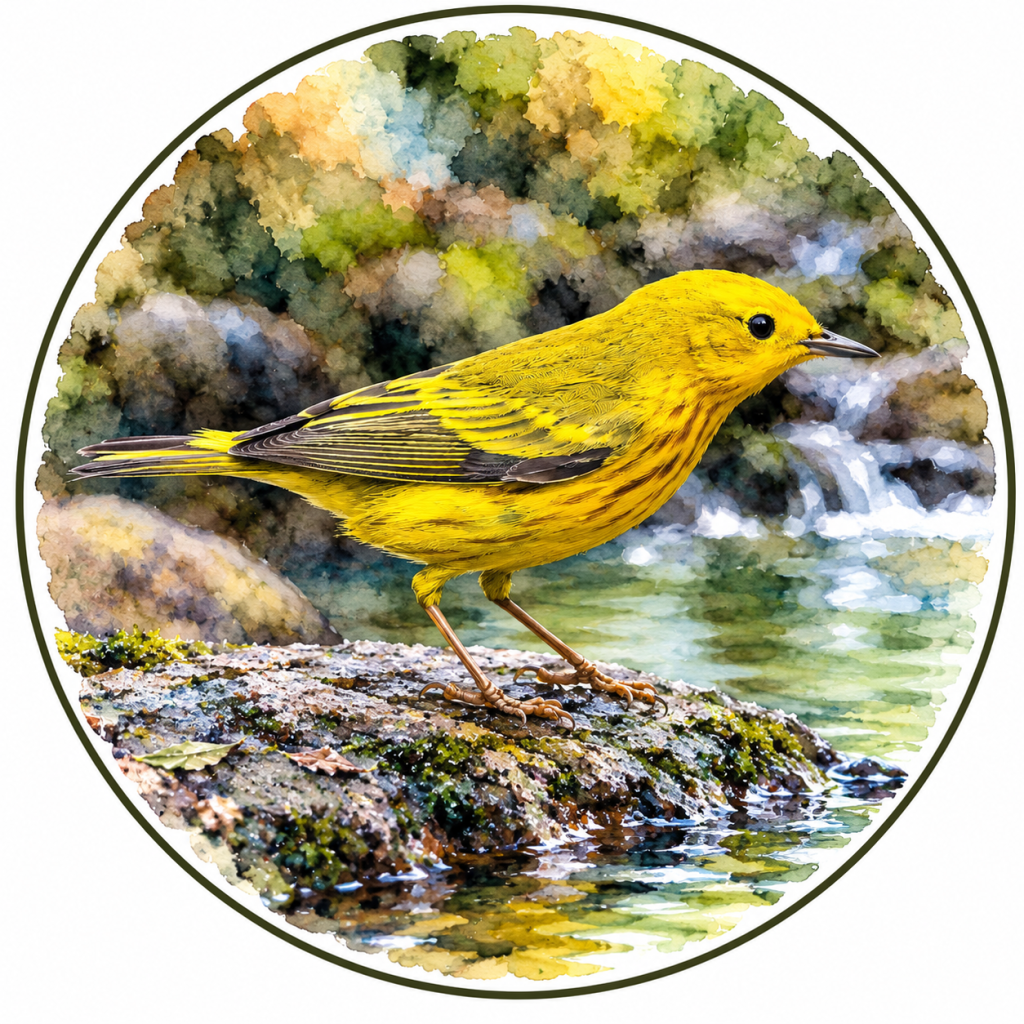
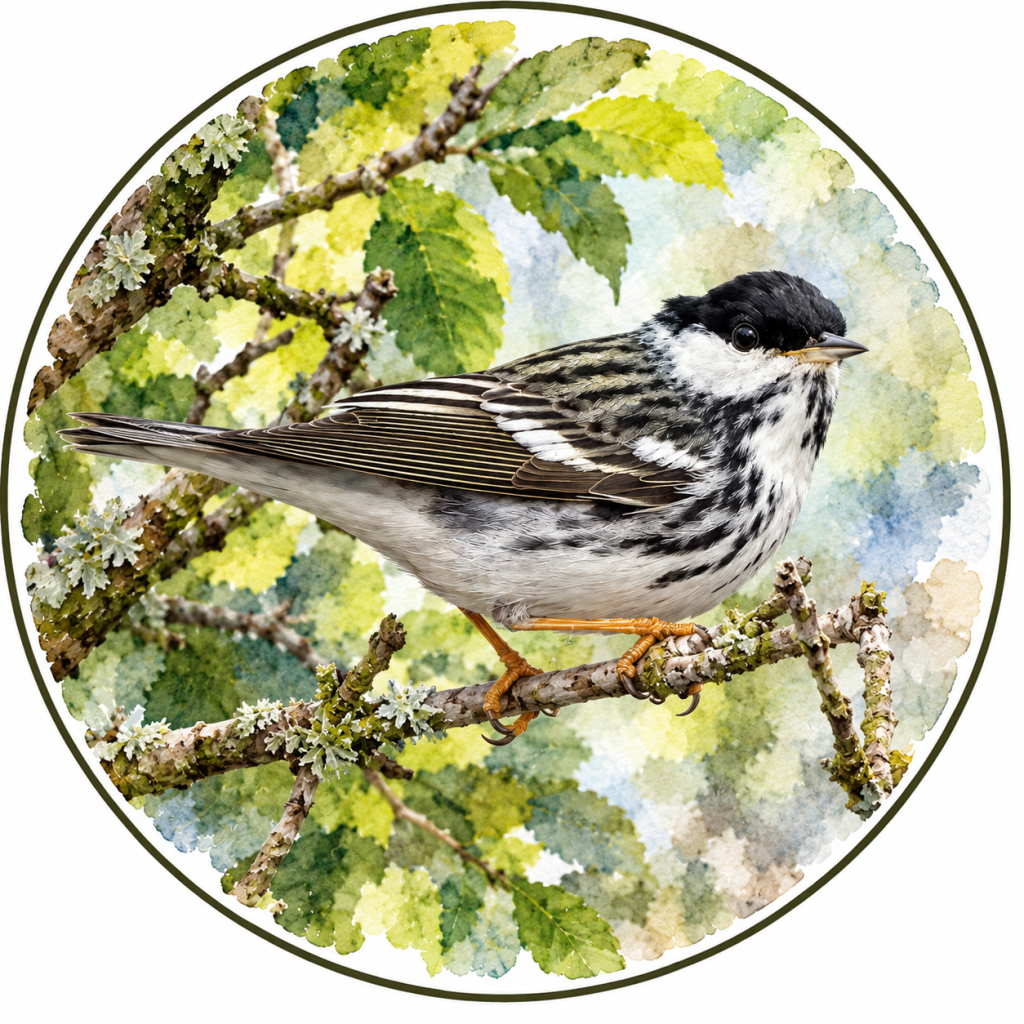
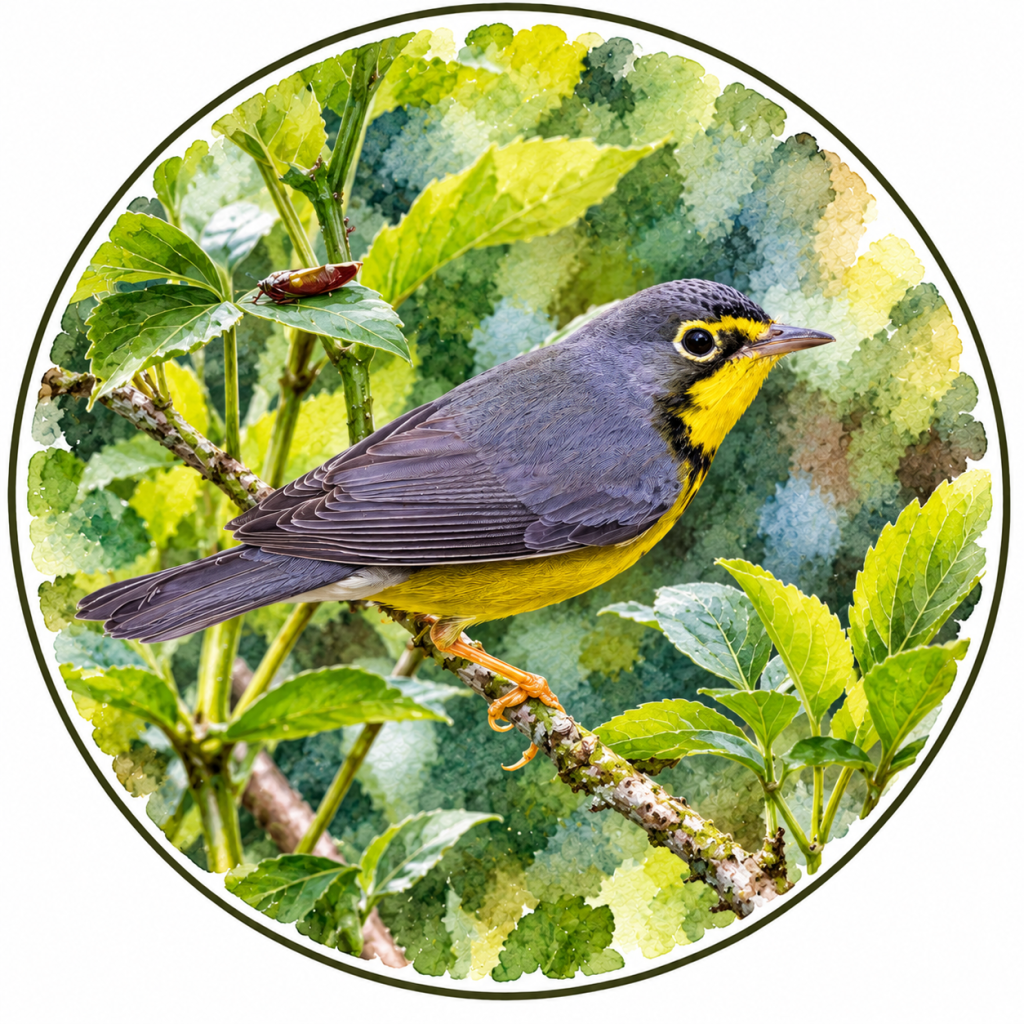
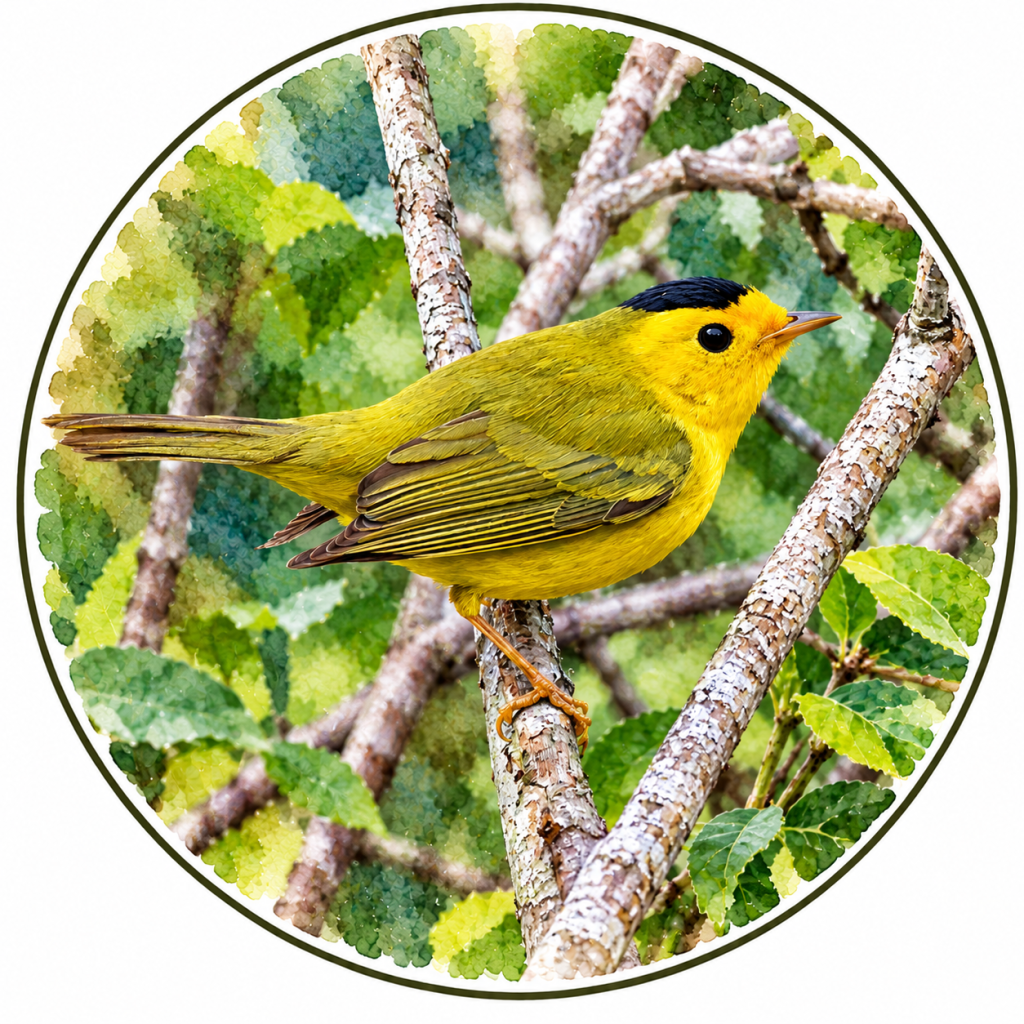
Few bird families bring as much color and excitement to the forests of the Americas as the New World warblers. These small, energetic songbirds often display dazzling combinations of yellow, orange, blue, green, black, and white. Constantly on the move, they search leaves, branches, and dense vegetation for insects, often using distinctive feeding techniques. From northern woodlands to tropical forests and wetlands, warblers inhabit an impressive variety of environments. Many undertake extraordinary migrations, traveling thousands of miles between breeding and wintering grounds. Their brilliant plumage, beautiful songs, and remarkable ability to vanish into foliage make them both challenging and rewarding to observe and photograph. Unfortunately, habitat loss, forest fragmentation, and climate change increasingly threaten these remarkable birds and their migratory journeys.

Cardinalidae – Cardinals, Grosbeaks and Allies
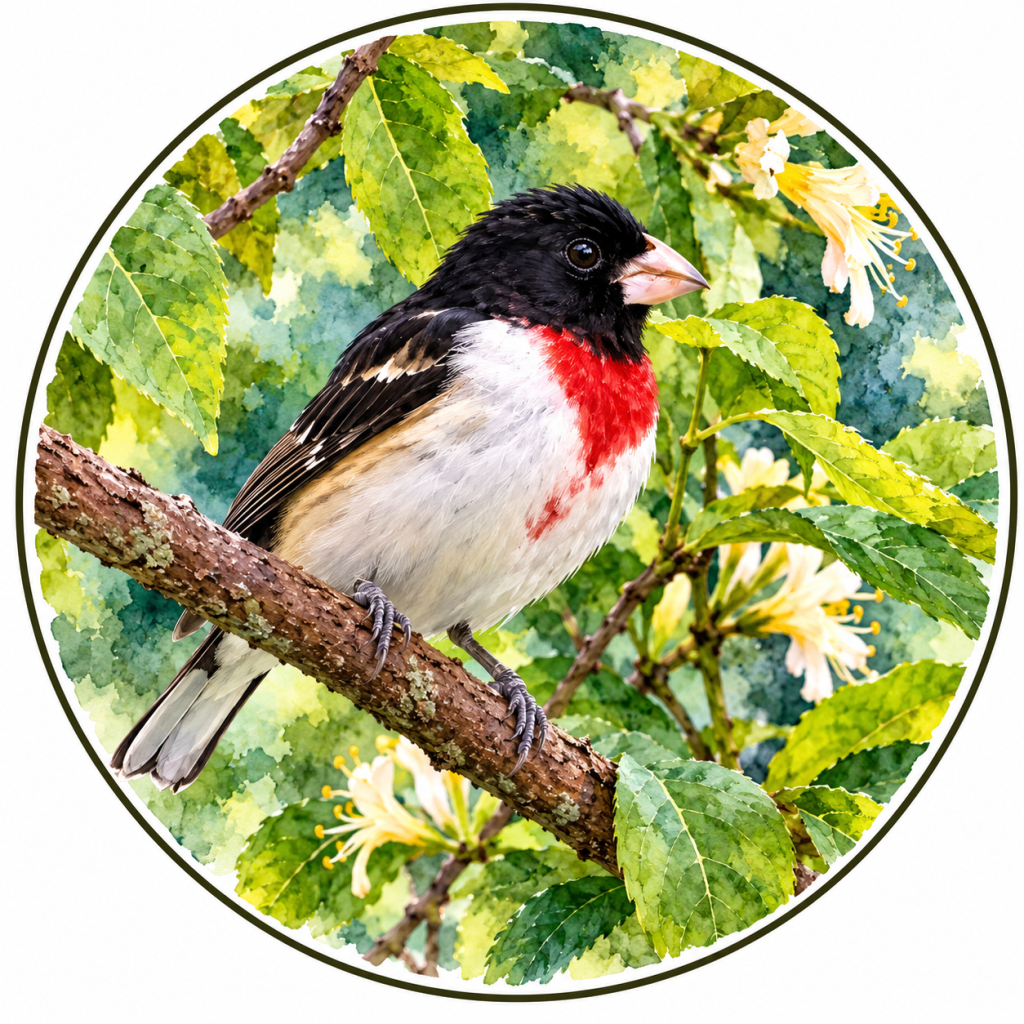
Few bird families combine brilliant colors and rich, musical songs quite like the cardinals and their allies. This diverse group includes cardinals, grosbeaks, buntings, and several colorful tanager-like species found throughout the Americas. From the striking red of the Northern Cardinal to the electric blue of the Indigo Bunting, many species are among the most eye-catching birds in their habitats. Their strong bills are adapted to a varied diet of seeds, fruits, and insects, while their songs bring woodlands, grasslands, and gardens to life. Some remain year-round residents, while others undertake impressive seasonal migrations between North America and the tropics. Their vibrant plumage, fascinating behaviors, and distinctive vocalizations make them favorites among birdwatchers and photographers. Although many species remain widespread, habitat loss and changing environmental conditions pose growing challenges for others.
Thraupidae – Tanagers and Allies
Few bird families rival the extraordinary diversity and dazzling colors of the tanagers and their allies. Found primarily throughout Central and South America, this remarkable family includes brilliantly colored tanagers, honeycreepers, seedeaters, and a surprising variety of finch-like birds. From the electric blues and vibrant greens of tropical tanagers to the specialized bills of Darwin’s finches, these birds showcase evolution’s remarkable creativity. They inhabit an impressive range of environments, from lush rainforests and cloud forests to open grasslands and high Andean slopes. Their diets are equally varied, including fruits, seeds, nectar, and insects, making many species important contributors to seed dispersal and other ecological processes. Their spectacular plumage, fascinating adaptations, and often lively social behavior make them especially rewarding subjects for birdwatchers and photographers. Although many species remain widespread, habitat destruction, agricultural expansion, and climate change increasingly threaten some of the family’s most specialized members.

